
Table of Contents
Many people feel anxious when their doctor recommends a colonoscopy. Questions such as “Is the procedure painful?”, “Why do I need it?”, and “How should I prepare?” are common. Fortunately, understanding the purpose of a colonoscopy and knowing what to expect can make the experience much less stressful.
A colonoscopy is one of the most effective procedures for examining the large intestine (colon) and rectum. It helps doctors diagnose a wide range of digestive conditions, identify the cause of symptoms such as bleeding or persistent abdominal pain, and detect precancerous growths before they become serious.
Whether you are experiencing digestive symptoms or have been advised to undergo routine screening, this guide explains everything you need to know about colonoscopy, including colonoscopy preparation, the procedure itself, recovery, and when you should consider getting a colonoscopy in Solapur.
At Yashodhara Super Speciality Hospital, Solapur, Dr. Vijay Shivpuje, Consultant Surgeon & Chief of Surgical Services, performs diagnostic evaluation for patients with gastrointestinal and colorectal conditions using evidence-based practices and patient-centred care.
What Is a Colonoscopy?
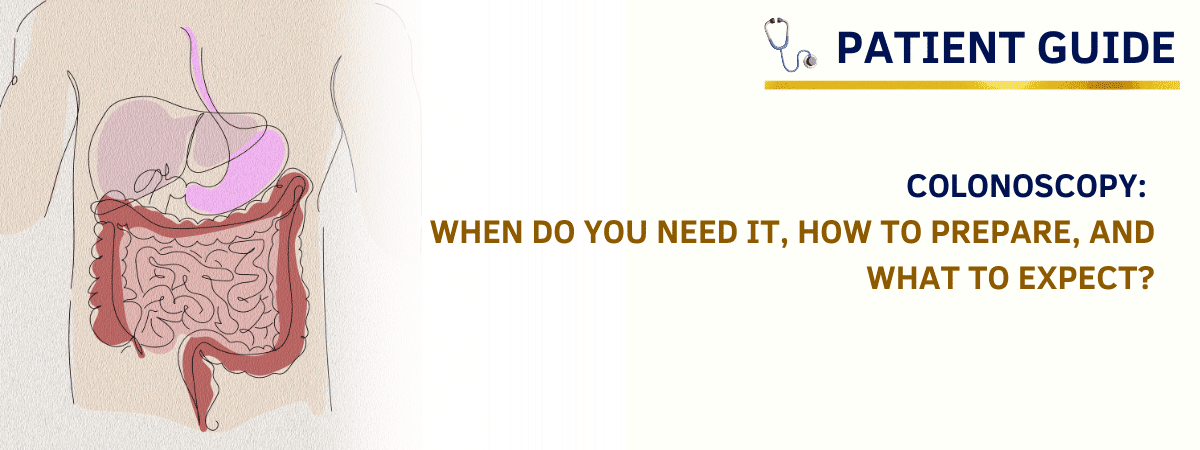
A colonoscopy is a medical procedure used to examine the inside of the large intestine (colon) and rectum using a long, thin, flexible tube called a colonoscope.
The colonoscope has:
- A tiny high-definition camera
- A light source
- Channels for specialised instruments if needed
The camera sends real-time images to a monitor, allowing the doctor to carefully inspect the lining of the colon for abnormalities.
During the procedure, your doctor may:
- Examine the entire colon
- Identify inflammation or infection
- Detect polyps (small tissue growths)
- Take small tissue samples (biopsies)
- Remove certain polyps during the same procedure
- Investigate unexplained bleeding
Unlike imaging tests such as X-rays or CT scans, a colonoscopy allows direct visual examination of the colon, making it one of the most accurate diagnostic tools for many bowel conditions.
Why Is a Colonoscopy Performed?
A colonoscopy helps diagnose the underlying cause of many gastrointestinal symptoms and plays an important role in preventive healthcare.
Your doctor may recommend a colonoscopy if you have:
- Blood in your stool
- Persistent constipation
- Chronic diarrhoea
- Unexplained abdominal pain
- Changes in bowel habits
- Unexplained weight loss
- Iron deficiency anaemia
- Positive stool screening tests
- A family history of colorectal cancer or polyps
It is also commonly used to monitor patients with known bowel diseases or those who have previously had colon polyps removed.
For patients with persistent digestive symptoms, additional evaluation may be required through Gastrointestinal (GI) Surgery services when appropriate.
How Does a Colonoscopy Work?
During the examination, the colonoscope is gently inserted through the rectum and advanced through the large intestine.
To improve visibility, a small amount of air or carbon dioxide is introduced into the colon. This allows the doctor to clearly inspect the intestinal lining.
If any suspicious areas are found, the doctor may:
- Take a biopsy
- Remove polyps
- Stop minor bleeding
- Assess inflammation
- Identify ulcers
Many diagnostic and minor therapeutic procedures can be completed during the same colonoscopy, reducing the need for additional interventions.
Who Should Get a Colonoscopy?
A colonoscopy is recommended for individuals with certain symptoms, risk factors, or medical histories.
You may benefit from a colonoscopy if you:
Have Digestive Symptoms
- Persistent abdominal pain
- Rectal bleeding
- Chronic constipation
- Long-standing diarrhoea
- Unexplained bloating
- Mucus in stool
- Narrow stools
Have Risk Factors
- Family history of colorectal cancer
- Family history of colon polyps
- Previous polyps
- Inflammatory bowel disease
- Long-standing ulcerative colitis
- Crohn’s disease involving the colon
Need Colon Cancer Screening
Many international guidelines recommend colorectal cancer screening for average-risk adults beginning at 45 years of age, although the appropriate starting age may vary depending on personal risk factors and family history. Your doctor can advise you on the most suitable screening schedule based on your individual circumstances.
Signs You May Need a Colonoscopy
Although not every digestive symptom requires a colonoscopy, certain warning signs should not be ignored.
Consult your doctor if you experience:
1. Blood in the Stool
Blood may appear:
- Bright red
- Dark red
- Black and tarry
Possible causes include:
- Hemorrhoids (Piles)
- Anal fissures
- Polyps
- Inflammatory bowel disease
- Colorectal cancer
- Diverticular disease
A colonoscopy helps determine the exact source of bleeding.
Related Services:
- Piles (Hemorrhoids) Treatment in Solapur
- Anal Fissure Treatment in Solapur
- Colorectal Surgery in Solapur
2. Persistent Changes in Bowel Habits
A change lasting more than a few weeks should be evaluated.
Examples include:
- Ongoing constipation
- Chronic diarrhoea
- Alternating constipation and diarrhoea
- Increased frequency of bowel movements
- Difficulty passing stool
While these symptoms are often caused by non-serious conditions, they may also indicate underlying bowel disease that requires further investigation.
3. Persistent Abdominal Pain
Repeated or unexplained abdominal pain may be caused by conditions affecting the colon or other digestive organs.
Possible causes include:
- Inflammatory bowel disease
- Diverticular disease
- Colon polyps
- Colorectal cancer
- Chronic inflammation
Depending on the location and nature of the pain, your doctor may also recommend evaluation through Diagnostic Upper GI Endoscopy or other gastrointestinal investigations.
4. Unexplained Weight Loss
Losing weight without changes in diet or physical activity should always be assessed.
Although many conditions can cause unexplained weight loss, persistent digestive symptoms combined with weight loss warrant medical evaluation.
A colonoscopy may be recommended to rule out serious intestinal conditions.
5. Iron Deficiency Anaemia
Iron deficiency anaemia without an obvious cause may result from slow bleeding within the digestive tract.
A colonoscopy helps identify potential sources such as:
- Colon polyps
- Ulcers
- Inflammation
- Bleeding lesions
- Tumours
Early diagnosis allows timely treatment and appropriate follow-up.
Conditions That Can Be Diagnosed During a Colonoscopy
A colonoscopy can help diagnose or assess several conditions affecting the large intestine and rectum, including:
| Condition | How Colonoscopy Helps |
| Colon Polyps | Detects and often removes polyps during the same procedure |
| Colorectal Cancer | Helps identify suspicious growths and obtain biopsies |
| Inflammatory Bowel Disease (IBD) | Evaluates inflammation in the colon |
| Diverticular Disease | Identifies pouches (diverticula) and associated complications |
| Colitis | Assesses infection or inflammation of the colon |
| Lower Gastrointestinal Bleeding | Locates the source of bleeding |
| Chronic Diarrhoea | Investigates persistent bowel symptoms |
| Unexplained Constipation | Evaluates structural abnormalities when indicated |
These findings help your doctor recommend the most appropriate treatment plan based on your individual diagnosis.
Benefits of Early Colonoscopy
Many serious colorectal conditions develop gradually and may not cause symptoms in their early stages. A timely colonoscopy can help detect abnormalities before they progress, allowing earlier diagnosis and treatment.
Potential benefits include:
- Identifying the cause of unexplained digestive symptoms
- Detecting polyps that may be removed during the procedure
- Diagnosing inflammatory bowel conditions
- Investigating unexplained intestinal bleeding
- Assisting in colorectal cancer screening for appropriate individuals
- Guiding further treatment based on accurate findings
For patients requiring additional evaluation or surgical management, colonoscopy findings can help determine whether referral to services such as Colorectal Surgery in Solapur is appropriate.
Colonoscopy Preparation: A Step-by-Step Guide
One of the most important factors for a successful colonoscopy is proper bowel preparation. If the colon is not completely clean, it may be difficult for the doctor to clearly examine the lining of the large intestine. In some cases, the procedure may need to be repeated if visibility is inadequate.
Although colonoscopy preparation may seem inconvenient, following your doctor’s instructions carefully helps improve the accuracy and safety of the examination.
Why Is Colonoscopy Preparation Important?
A clean colon allows the doctor to:
- Clearly visualize the lining of the colon
- Detect even small polyps or abnormal growths
- Identify inflammation, ulcers, or bleeding
- Obtain accurate biopsy samples when required
- Reduce the likelihood of repeating the procedure due to poor visibility
Good preparation contributes significantly to the quality of the examination.
Step-by-Step Colonoscopy Preparation
Your healthcare team will provide personalised instructions based on your age, medical history, and current medications. The following is a general guide.
1. Inform Your Doctor About Your Medical History
Before scheduling your colonoscopy, tell your doctor if you have:
- Diabetes
- High blood pressure
- Heart disease
- Kidney disease
- Liver disease
- Bleeding disorders
- Pregnancy (if applicable)
- Previous abdominal surgery
- Drug allergies
Also provide a list of all prescription medicines, over-the-counter medications, vitamins, herbal supplements, and blood thinners you take.
Never stop any medication unless advised by your doctor.
2. Follow Dietary Instructions
A few days before the procedure, your doctor may recommend avoiding foods that leave residue in the bowel.
Commonly restricted foods include:
- Nuts
- Seeds
- Popcorn
- Raw vegetables
- Corn
- High-fibre cereals
The exact dietary instructions may vary depending on your individual situation.
3. Switch to Clear Liquids
On the day before the colonoscopy, most patients are advised to consume only clear liquids.
Examples include:
- Water
- Clear vegetable or chicken broth
- Clear apple juice
- Coconut water (without pulp)
- Oral rehydration solutions
- Tea or coffee without milk (if permitted)
- Clear gelatin (avoid red or purple colouring)
Avoid:
- Milk
- Milkshakes
- Alcohol
- Thick soups
- Fruit juices with pulp
- Red or purple-coloured beverages if instructed to avoid them
Always follow the specific dietary instructions provided by your doctor or hospital.
4. Take the Prescribed Bowel Cleansing Solution
Your doctor will prescribe a bowel preparation solution (laxative) that helps empty the colon.
The preparation usually involves drinking the solution according to a scheduled plan, often divided into two doses.
The bowel preparation works by causing frequent bowel movements until the stool becomes clear or light yellow.
It is important to:
- Drink the solution exactly as instructed
- Stay well hydrated unless advised otherwise
- Remain near a toilet after beginning the preparation
Do not use over-the-counter laxatives unless recommended by your healthcare provider.
5. Follow Fasting Instructions
Before the procedure, you will usually be asked to stop eating and drinking for a specified period.
This helps reduce the risk of complications related to sedation.
Always follow the fasting instructions provided by your treating team.
6. Arrange Transportation Home
Many colonoscopies are performed using sedation to improve comfort. Because sedative medicines can temporarily affect alertness and coordination, you should arrange for a responsible adult to accompany you home.
Do not drive, operate machinery, or make important decisions until the effects of sedation have completely worn off, usually by the next day.
What Happens During a Colonoscopy?
Many patients feel anxious because they are unsure what the procedure involves. Understanding the steps beforehand often helps reduce unnecessary worry.
Before the Procedure
After arriving at the hospital or endoscopy unit:
- Your medical history will be reviewed.
- Your blood pressure, pulse, and oxygen levels may be checked.
- An intravenous (IV) line may be placed if sedation is planned.
- You will have an opportunity to ask any remaining questions before the procedure begins.
During the Procedure
You will usually lie on your left side while the colonoscope is gently inserted through the rectum.
The doctor carefully advances the scope through the large intestine while examining the lining on a video monitor.
During the examination, the doctor may:
- Inspect the entire colon
- Identify inflammation
- Detect polyps
- Remove selected polyps when appropriate
- Take tissue samples (biopsies)
- Assess the source of bleeding
Most diagnostic colonoscopies take approximately 20 to 45 minutes, although the exact duration depends on the findings and whether additional procedures such as polyp removal are required.
After the Procedure
Once the examination is complete:
- You will be monitored until the effects of sedation begin to wear off.
- Mild bloating or passing gas is common because air or carbon dioxide is introduced during the procedure.
- Most patients can return home the same day, provided they are medically stable.
Your doctor will explain the initial findings, and biopsy results, if taken, are usually available after laboratory analysis.
Is Colonoscopy Painful?
One of the most common concerns patients have is whether a colonoscopy will be painful.
Most people experience only mild discomfort rather than significant pain.
Depending on your clinical situation, the procedure may be performed:
- Without sedation
- With light sedation
- With deeper sedation where appropriate
You may notice:
- A feeling of pressure
- Temporary bloating
- Mild cramping
- The urge to pass gas
These sensations are generally short-lived.
If you experience significant discomfort during the examination, inform the medical team so they can respond appropriately.
How Long Does Recovery Take?
Recovery is usually straightforward.
Most patients:
- Go home on the same day
- Resume light activities within 24 hours
- Return to their normal diet as advised
- Resume routine work the following day if they feel well
However, recovery recommendations may differ if:
- A large polyp is removed
- Multiple biopsies are taken
- Additional treatment is performed
Always follow your doctor’s discharge instructions.
Possible Risks and Complications
A colonoscopy is generally considered a safe procedure when performed by experienced healthcare professionals. However, like any medical procedure, it carries some potential risks.
Possible complications include:
- Bleeding, particularly after polyp removal
- Perforation (a small tear in the bowel wall), which is uncommon
- Adverse reactions to sedation
- Infection (rare)
- Temporary abdominal discomfort or bloating
Your doctor will explain the potential benefits and risks before obtaining informed consent.
Seek medical attention promptly if you experience:
- Severe abdominal pain
- Persistent vomiting
- Heavy rectal bleeding
- Fever or chills
- Increasing abdominal swelling
- Dizziness or fainting after returning home
What Conditions Can Be Treated During a Colonoscopy?
A colonoscopy is not only a diagnostic procedure—it can also be therapeutic in selected situations.
During the procedure, your doctor may be able to:
- Remove certain colon polyps
- Control minor bleeding
- Take biopsies for laboratory analysis
- Remove selected foreign bodies
- Evaluate narrowing (strictures) of the bowel
Some conditions identified during colonoscopy may require additional medical treatment or surgery.
Patients requiring specialised management may benefit from services such as Colorectal Surgery, depending on the diagnosis.
When Might Surgery Be Needed After a Colonoscopy?
Most patients do not require surgery after a colonoscopy. However, if the examination identifies a condition requiring operative management, your surgeon will discuss the available treatment options.
Examples include:
- Large colorectal polyps not suitable for endoscopic removal
- Colorectal cancer
- Complicated diverticular disease
- Certain inflammatory bowel disease complications
- Bowel obstruction
- Severe gastrointestinal bleeding
Depending on the condition, surgery may be performed using either conventional open techniques or minimally invasive approaches.
Related Services
- Gastrointestinal (GI) Surgery in Solapur
- Laparoscopic (Keyhole) Surgery in Solapur
- Emergency General Surgery in Solapur
Tips for a Smooth Recovery
After your colonoscopy, these simple measures can help support recovery:
- Drink plenty of fluids unless your doctor advises otherwise.
- Start with light meals and gradually return to your regular diet.
- Walk around gently to help relieve bloating.
- Avoid alcohol for the remainder of the day if you received sedation.
- Rest if you feel tired.
- Follow all instructions regarding medications and follow-up appointments.
If biopsies were taken or a polyp was removed, your doctor may provide additional recommendations tailored to your situation.
When Should You Consult a Specialist?
You should seek medical advice if you have:
- Persistent blood in your stool
- Ongoing changes in bowel habits
- Chronic constipation or diarrhoea
- Unexplained abdominal pain
- Unexplained weight loss
- Iron deficiency anaemia
- A family history of colorectal cancer or colon polyps
- A positive stool screening test
Early evaluation allows appropriate investigations to be performed and helps guide the most suitable treatment plan.
If you are advised to undergo a colonoscopy or would like expert consultation regarding digestive symptoms, you can book an appointment with Dr. Vijay Shivpuje at Yashodhara Super Speciality Hospital, Solapur.
Key Takeaways
- A colonoscopy is an important diagnostic and preventive procedure for evaluating the colon and rectum.
- It helps investigate symptoms such as rectal bleeding, persistent bowel changes, abdominal pain, and unexplained weight loss.
- Careful colonoscopy preparation is essential for an accurate examination.
- The procedure is generally safe and is often performed with sedation to improve comfort.
- Early evaluation of digestive symptoms can help identify conditions before they become more serious.
Conclusion
A colonoscopy is one of the most valuable investigations for assessing the health of the large intestine and rectum. It not only helps diagnose the cause of symptoms such as rectal bleeding, persistent changes in bowel habits, chronic abdominal pain, and unexplained weight loss, but it also plays an important role in colorectal cancer screening and the early detection of precancerous polyps.
Although many people feel anxious about the procedure, understanding what happens before, during, and after a colonoscopy can make the experience much more reassuring. Following the recommended colonoscopy preparation instructions carefully helps ensure a successful examination and improves the accuracy of the results.
If you have ongoing digestive symptoms, a family history of colorectal cancer, or have been advised to undergo a colonoscopy in Solapur, timely consultation with an experienced surgeon can help determine the most appropriate next steps based on your individual health needs.
Dr. Vijay Shivpuje, Consultant Surgeon & Chief of Surgical Services at Yashodhara Super Speciality Hospital, Solapur, provides comprehensive evaluation for gastrointestinal and colorectal conditions using evidence-based, patient-centred care.
To schedule a consultation or discuss whether a colonoscopy is appropriate for you, visit:
FAQs
1. What is a colonoscopy?
Ans: A colonoscopy is a procedure that allows a doctor to examine the inside of the large intestine (colon) and rectum using a thin, flexible tube with a camera. It is used to diagnose digestive conditions, investigate symptoms such as rectal bleeding or persistent bowel changes, and screen for colorectal cancer in appropriate individuals.
2. When do I need a colonoscopy?
Ans: Your doctor may recommend a colonoscopy if you have:
● Blood in the stool
● Persistent constipation or diarrhoea
● Unexplained abdominal pain
● Iron deficiency anaemia
● Unexplained weight loss
● A family history of colorectal cancer or colon polyps
● Abnormal stool screening test results
The decision to perform a colonoscopy depends on your symptoms, age, medical history, and individual risk factors.
3. Is colonoscopy painful?
Ans: Most patients tolerate a colonoscopy well. Mild pressure, bloating, or cramping may occur during the procedure, but sedation is commonly used to improve comfort. The level of sedation varies depending on the patient’s needs and the healthcare team’s recommendations.
4. How long does a colonoscopy take?
Ans: A routine diagnostic colonoscopy usually takes 20 to 45 minutes. The duration may be longer if biopsies are taken or polyps are removed.
5. How should I prepare for a colonoscopy?
Ans: Proper colonoscopy preparation usually involves:
● Following a special diet before the procedure
● Drinking a prescribed bowel cleansing solution
● Staying hydrated
● Following fasting instructions
● Reviewing medications with your doctor
A well-prepared bowel improves visibility and helps ensure an accurate examination.
6. Can I eat before a colonoscopy?
Ans: You will receive specific dietary instructions from your healthcare provider. Typically, patients are advised to follow a clear liquid diet the day before the procedure and stop eating and drinking for a specified period before the examination.
Always follow the instructions provided by your doctor or hospital.
7. Can I take my regular medicines before a colonoscopy?
Ans: Many medications can be continued, but some—including blood thinners, certain diabetes medications, and iron supplements—may require adjustment.
Never stop or change your medications without consulting your doctor.
8. What conditions can a colonoscopy detect?
Ans: A colonoscopy can help diagnose or evaluate:
● Colon polyps
● Colorectal cancer
● Inflammatory bowel disease
● Diverticular disease
● Colitis
● Lower gastrointestinal bleeding
● Chronic diarrhoea
● Structural abnormalities of the colon
9. Can polyps be removed during a colonoscopy?
Ans: Yes. Many polyps can be safely removed during the procedure using specialised instruments passed through the colonoscope.
Removing certain polyps may help reduce the future risk of colorectal cancer, depending on the type of polyp and the individual’s clinical situation.
10. What happens after a colonoscopy?
Ans: After the procedure:
● You will be monitored until the effects of sedation wear off.
● Mild bloating or gas is common.
● Most patients return home the same day.
● Normal activities can usually be resumed the following day unless advised otherwise.
If biopsies were taken or polyps removed, your doctor will discuss follow-up care and pathology results.
11. What are the risks of a colonoscopy?
Ans: Although a colonoscopy is generally safe, potential complications include:
● Bleeding
● Perforation (rare)
● Sedation-related reactions
● Infection (rare)
Your doctor will explain the benefits and risks before the procedure.
12. What symptoms should I watch for after a colonoscopy?
Ans: Seek medical attention if you experience:
● Severe abdominal pain
● Heavy rectal bleeding
● Fever
● Persistent vomiting
● Increasing abdominal swelling
● Dizziness or fainting
These symptoms are uncommon but should be assessed promptly.
13. Can a colonoscopy detect colorectal cancer?
Ans: Yes. A colonoscopy is one of the most effective methods for detecting colorectal cancer and identifying suspicious growths that may require biopsy. It can also detect precancerous polyps, many of which can be removed during the procedure.
14. Is a colonoscopy different from an upper GI endoscopy?
Ans: Yes.
A colonoscopy examines the large intestine (colon) and rectum, whereas an upper GI endoscopy examines the oesophagus, stomach, and first part of the small intestine.
The appropriate procedure depends on your symptoms and the part of the digestive tract that needs evaluation.
For upper digestive symptoms, you may also learn about:
Diagnostic Upper GI Endoscopy in Solapur
15. Where can I get a colonoscopy in Solapur?
Ans: If you have persistent digestive symptoms or have been advised to undergo a colonoscopy in Solapur, consult Dr. Vijay Shivpuje, Consultant Surgeon & Chief of Surgical Services at Yashodhara Super Speciality Hospital, Solapur.
You can conveniently schedule your consultation online:
Book an Appointment

Pingback: Gallstones vs Gas Pain: How to Tell the Difference | Dr. Vijay Shivpuje