
Table of Contents
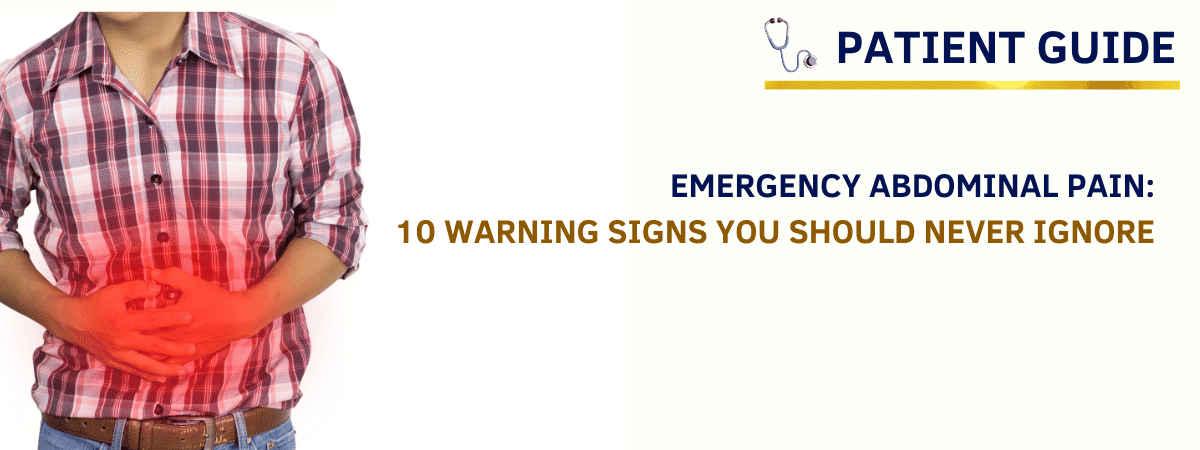
Abdominal pain is one of the most common reasons people visit a doctor or emergency department. While many episodes of stomach pain are caused by minor digestive problems and improve on their own, some cases may indicate a serious medical condition that requires urgent attention.
Understanding the difference between ordinary stomach discomfort and emergency abdominal pain can help you seek medical care at the right time and avoid potentially life-threatening complications.
Some conditions, such as appendicitis, intestinal obstruction, gallbladder infection, internal bleeding, bowel perforation, or abdominal trauma, can worsen rapidly if treatment is delayed. Recognizing the warning signs early allows doctors to diagnose the underlying cause and begin appropriate treatment before complications develop.
If you or a loved one experiences severe abdominal pain that is sudden, intense, or associated with other concerning symptoms, it is important not to ignore it.
At Yashodhara Super Speciality Hospital, Solapur, Dr. Vijay Shivpuje, Consultant Surgeon & Chief of Surgical Services, has over 25 years of experience in diagnosing and managing emergency surgical conditions affecting the abdomen. Treatment recommendations are always based on an individual’s symptoms, medical history, examination findings, and diagnostic investigations.
What Is Emergency Abdominal Pain?
Emergency abdominal pain refers to abdominal pain that may indicate a serious medical condition requiring immediate evaluation by a doctor or surgeon.
Unlike mild stomach discomfort caused by indigestion or temporary digestive upset, emergency abdominal pain often develops suddenly, becomes increasingly severe, or is accompanied by symptoms that suggest an underlying surgical or life-threatening condition.
The abdomen contains several vital organs, including the:
- Stomach
- Small intestine
- Large intestine (colon)
- Appendix
- Gallbladder
- Liver
- Pancreas
- Spleen
- Kidneys
- Major blood vessels
A problem affecting any of these organs can produce abdominal pain. While some causes can be treated with medication alone, others may require urgent surgery.
Ignoring warning signs can increase the risk of complications such as infection, organ damage, or internal bleeding. Early medical assessment plays an important role in identifying the cause and determining the most appropriate treatment.
Why Abdominal Pain Should Never Be Ignored
Abdominal pain is a symptom—not a disease itself. It can result from many different conditions, ranging from harmless to potentially life-threatening.
Minor causes include:
- Gas
- Constipation
- Indigestion
- Mild viral stomach infections
- Food intolerance
However, abdominal pain can also be the first sign of conditions that require urgent surgical care, including:
- Acute appendicitis
- Gallbladder infection
- Intestinal obstruction
- Perforation (a hole in the stomach or intestine)
- Abdominal trauma
- Internal bleeding
- Severe abdominal infections
- Strangulated hernia
Because many serious abdominal conditions initially present with similar symptoms, it is not always possible to determine the cause at home. A timely medical evaluation helps identify whether emergency treatment is necessary.
Patients with persistent or worsening abdominal pain should avoid self-medicating with painkillers without medical advice, as this may temporarily mask symptoms and delay diagnosis.
Common Causes of Abdominal Pain
Many different conditions can cause abdominal pain. The exact location, severity, duration, and associated symptoms often provide important clues.
| Cause | Description | Emergency? |
| Indigestion | Temporary digestive discomfort after eating | Usually No |
| Constipation | Difficulty passing stools | Usually No |
| Food Poisoning | Infection from contaminated food | Sometimes |
| Viral Gastroenteritis | Stomach infection causing vomiting and diarrhoea | Usually No |
| Appendicitis | Inflammation of the appendix | Yes |
| Gallstones | Stones blocking the gallbladder | Often |
| Intestinal Obstruction | Blockage preventing food movement | Yes |
| Pancreatitis | Inflammation of the pancreas | Often |
| Kidney Stones | Stones causing severe flank pain | Sometimes |
| Abdominal Trauma | Injury following an accident | Yes |
Certain conditions may require specialist surgical care. For example:
- Patients with suspected appendicitis may benefit from timely evaluation for Appendix Surgery & Appendicitis Treatment
- Individuals with gallstone-related pain may require assessment for Gallbladder Stone Surgery
- Persistent digestive symptoms may warrant consultation for Gastrointestinal (GI) Surgery
When Does Abdominal Pain Become an Emergency?
Not every episode of abdominal pain is an emergency. However, certain symptoms should never be ignored because they may indicate a condition requiring immediate medical attention.
Medical evaluation becomes particularly important when abdominal pain:
- Begins suddenly
- Is severe or unbearable
- Continues to worsen
- Prevents normal movement
- Is associated with fever
- Is accompanied by repeated vomiting
- Causes fainting or dizziness
- Occurs after an accident or injury
- Is associated with blood in vomit or stools
- Makes the abdomen hard, swollen, or extremely tender
Prompt diagnosis allows doctors to determine whether medication, observation, or emergency surgery is the most appropriate treatment.
10 Warning Signs You Should Never Ignore
1. Sudden, Severe Abdominal Pain
One of the most important warning signs is the sudden onset of severe abdominal pain that reaches maximum intensity within a short period.
Patients often describe the pain as:
- Sharp
- Stabbing
- Tearing
- Intense
- Unbearable
Possible causes include:
- Acute appendicitis
- Gallbladder inflammation
- Bowel perforation
- Intestinal obstruction
- Internal bleeding
- Acute pancreatitis
If the pain is severe enough that you cannot stand upright, walk comfortably, or perform normal activities, immediate medical assessment is recommended.
2. Pain That Continues to Worsen
Pain that steadily increases over several hours is another important warning sign.
Initially mild discomfort may gradually become severe due to progressive inflammation or infection.
This pattern is commonly seen in:
- Appendicitis
- Gallbladder infection
- Peritonitis (infection of the abdominal lining)
- Intestinal obstruction
Ignoring worsening pain may increase the risk of complications.
3. Fever Along With Severe Abdominal Pain
The combination of abdominal pain and fever often suggests infection or significant inflammation.
Possible causes include:
- Acute appendicitis
- Gallbladder infection
- Liver infection
- Diverticulitis
- Abdominal abscess
- Severe intestinal infection
Medical evaluation is especially important if the fever is high, persistent, or accompanied by chills.
4. Persistent Vomiting
Repeated vomiting—especially when associated with severe abdominal pain—may indicate that the digestive system is not functioning normally.
Possible causes include:
- Intestinal obstruction
- Severe infection
- Pancreatitis
- Gallbladder disease
- Food poisoning with dehydration
Seek urgent medical attention if vomiting is persistent, contains blood, or prevents you from keeping fluids down, as dehydration can develop quickly.
5. A Swollen, Hard, or Rigid Abdomen
A noticeably swollen abdomen that feels hard or becomes extremely painful when touched should never be ignored.
Possible underlying causes include:
- Intestinal obstruction
- Internal bleeding
- Perforation of the stomach or intestine
- Severe abdominal infection
- Abdominal trauma
A rigid abdomen may indicate irritation of the abdominal lining (peritonitis), which is considered a medical emergency and often requires prompt surgical assessment.
Patients who have experienced abdominal injuries following road traffic accidents or falls should also be evaluated for Trauma Surgery or Abdominal Trauma Surgery when appropriate.
6. Blood in Your Vomit or Stool
Finding blood in your vomit or stool is never normal and should always be evaluated by a doctor as soon as possible.
The blood may appear:
- Bright red
- Dark red
- Black and tarry (melena)
- Mixed with stool
- Coating the stool
Although blood can sometimes be caused by less serious conditions such as hemorrhoids (piles), it may also indicate significant gastrointestinal bleeding that requires urgent medical attention.
Possible causes include:
- Bleeding stomach ulcers
- Intestinal bleeding
- Severe inflammation of the digestive tract
- Colorectal diseases
- Diverticular bleeding
- Colon polyps
- Colorectal cancer
- Inflammatory bowel disease
Never assume bleeding will stop on its own. Significant blood loss can lead to weakness, dizziness, low blood pressure, and shock.
If you notice blood in your stool, especially when accompanied by abdominal pain, your surgeon may recommend a Diagnostic Colonoscopy to identify the cause.
Recommended Internal Links
7. Abdominal Pain After an Accident or Injury
Even if there are no visible external injuries, abdominal trauma can damage important internal organs.
Seek immediate medical evaluation if abdominal pain develops after:
- Road traffic accidents
- Falls
- Sports injuries
- Assault
- Workplace injuries
Internal injuries may affect:
- Liver
- Spleen
- Intestines
- Kidneys
- Pancreas
- Major blood vessels
Symptoms may include:
- Severe abdominal pain
- Bruising
- Swelling
- Difficulty breathing
- Dizziness
- Fainting
- Low blood pressure
Internal bleeding is not always immediately obvious, making prompt assessment essential.
Dr. Vijay Shivpuje has extensive experience managing abdominal injuries requiring emergency surgical care.
Recommended Internal Links
8. Pain Associated With Inability to Pass Stool or Gas
If you are experiencing severe abdominal pain along with:
- No bowel movements
- Inability to pass gas
- Abdominal swelling
- Persistent vomiting
it may indicate an intestinal obstruction.
An intestinal obstruction occurs when food, fluids, and gas cannot move normally through the intestines.
Common causes include:
- Scar tissue from previous surgery
- Hernias
- Twisted intestine
- Tumors
- Severe inflammation
Symptoms often worsen quickly without treatment.
Doctors usually perform imaging tests to determine whether surgery is necessary.
Recommended Links
9. Pain With Dizziness, Fainting, or Low Blood Pressure
When severe abdominal pain is accompanied by:
- Feeling faint
- Extreme weakness
- Cold, clammy skin
- Rapid heartbeat
- Confusion
- Low blood pressure
it may indicate a medical emergency such as:
- Internal bleeding
- Severe infection (sepsis)
- Organ rupture
- Significant dehydration
- Shock
These conditions require immediate emergency medical care.
Do not attempt to drive yourself if you feel faint. Ask someone to take you to the nearest emergency department or call emergency medical services.
10. Severe Abdominal Pain That Lasts More Than a Few Hours
Pain that does not improve—or continues to worsen over several hours—should never be ignored.
Many serious surgical conditions begin gradually before becoming severe.
Examples include:
- Acute appendicitis
- Gallbladder inflammation
- Pancreatitis
- Bowel obstruction
- Abdominal abscess
- Perforated ulcer
Prompt evaluation can lead to earlier diagnosis and treatment, potentially reducing the risk of complications.
How Doctors Diagnose Emergency Abdominal Pain
Because many conditions can cause abdominal pain, diagnosing the exact cause requires a systematic approach.
Dr. Vijay Shivpuje begins with a detailed assessment that may include:
Medical History
Your doctor will ask questions such as:
- When did the pain begin?
- Where is the pain located?
- Is it constant or intermittent?
- Does eating make it worse?
- Have you experienced vomiting, fever, or diarrhoea?
- Have you had previous abdominal surgery?
- Are you taking any medications?
Physical Examination
The abdomen is examined to check for:
- Tenderness
- Swelling
- Guarding (tightening of abdominal muscles)
- Rebound tenderness
- Abdominal masses
- Hernias
These findings often help narrow down the possible causes.
Blood Tests
Depending on your symptoms, blood tests may help detect:
- Infection
- Inflammation
- Liver disorders
- Pancreatic disease
- Kidney problems
- Internal bleeding
Imaging Studies
Imaging is often required to confirm the diagnosis.
These may include:
- Ultrasound
- X-ray
- CT Scan
- MRI (selected cases)
The choice of imaging depends on the suspected condition.
Endoscopy or Colonoscopy
If the symptoms suggest a gastrointestinal disorder, additional investigations may be recommended.
These include:
These procedures allow the surgeon to directly examine the digestive tract and identify conditions such as ulcers, bleeding, inflammation, polyps, or tumors.
Treatment for Emergency Abdominal Pain
Treatment depends entirely on the underlying cause.
Some conditions improve with medication and observation, while others require urgent surgery.
Common treatment options include:
Observation
Suitable for selected patients with mild symptoms where serious disease has been ruled out.
Medicines
Your doctor may prescribe medications to:
- Relieve pain
- Treat infection
- Reduce inflammation
- Control nausea and vomiting
- Correct dehydration
Self-medication without medical advice is not recommended when the cause of abdominal pain is unknown.
Minimally Invasive (Laparoscopic) Surgery
Many abdominal conditions can now be treated using laparoscopic (keyhole) surgery.
Benefits may include:
- Smaller incisions
- Less postoperative discomfort
- Reduced blood loss
- Faster recovery
- Earlier return to daily activities
- Shorter hospital stay in appropriate patients
However, not every patient is a suitable candidate. The decision depends on the diagnosis, the patient’s overall health, and the urgency of the condition.
Emergency Surgery
Some conditions require immediate surgery to prevent life-threatening complications.
Examples include:
- Acute appendicitis
- Intestinal obstruction
- Perforated bowel
- Gangrenous gallbladder
- Internal bleeding
- Strangulated hernia
- Severe abdominal trauma
Laparoscopic Surgery vs Open Surgery
| Feature | Laparoscopic Surgery | Open Surgery |
| Incision Size | Small | Larger |
| Recovery | Usually Faster | May Be Longer |
| Hospital Stay | Often Shorter | May Be Longer |
| Pain After Surgery | Usually Less | May Be More |
| Suitable for Every Patient? | No | Yes, when clinically indicated |
Your surgeon will recommend the safest and most appropriate approach based on your diagnosis and overall condition.
What You Should Do If You Experience Severe Abdominal Pain
If you develop severe abdominal pain:
✔ Do not ignore persistent or worsening symptoms.
✔ Do not take strong painkillers without medical advice, as they may mask important signs.
✔ Avoid eating or drinking if emergency surgery might be required, unless instructed otherwise by a healthcare professional.
✔ Seek immediate medical evaluation if the pain is severe or accompanied by vomiting, fever, bleeding, fainting, or abdominal swelling.
Early diagnosis often improves treatment outcomes and helps reduce the risk of complications.
When Should You Consult a General Surgeon?
You should consider consulting a qualified general surgeon if you have:
- Persistent abdominal pain
- Recurrent abdominal pain
- Gallstone-related pain
- Suspected appendicitis
- Hernia with increasing pain
- Intestinal obstruction symptoms
- Abdominal swelling
- Blood in the stool
- Persistent vomiting
- Abdominal pain following trauma
If you are experiencing emergency abdominal pain, severe abdominal pain, or would like expert evaluation for abdominal pain treatment in Solapur, consult Dr. Vijay Shivpuje, Consultant Surgeon & Chief of Surgical Services at Yashodhara Super Speciality Hospital, Solapur.
You can conveniently book an appointment online here:
Timely medical evaluation is important because the most appropriate treatment depends on the underlying cause, the severity of the condition, and your overall health.
Quick Summary
Emergency abdominal pain should never be ignored. While many episodes of abdominal discomfort are caused by relatively minor digestive problems, certain symptoms can indicate serious conditions that require immediate medical attention.
Remember these important warning signs:
- Sudden severe pain
- Pain that worsens over time
- Fever with abdominal pain
- Persistent vomiting
- Swollen or rigid abdomen
- Blood in vomit or stool
- Pain after trauma
- Inability to pass stool or gas
- Fainting or dizziness
- Pain lasting several hours without improvement
Prompt medical evaluation can help identify the underlying cause and ensure timely treatment.
Conclusion
Abdominal pain can have many different causes, ranging from mild digestive disturbances to conditions requiring urgent surgical intervention. Recognizing the warning signs of emergency abdominal pain and seeking timely medical care can help reduce the risk of serious complications.
If your pain is severe, persistent, or associated with symptoms such as fever, vomiting, abdominal swelling, bleeding, or dizziness, do not delay medical evaluation. An accurate diagnosis often requires a combination of clinical assessment, laboratory tests, and imaging studies, and treatment should always be tailored to the individual’s condition.
With more than 25 years of surgical experience, Dr. Vijay Shivpuje, Consultant Surgeon & Chief of Surgical Services at Yashodhara Super Speciality Hospital, Solapur, provides comprehensive evaluation and management for a wide range of emergency and general surgical conditions.
If you are experiencing emergency abdominal pain, severe abdominal pain, or are looking for abdominal pain treatment in Solapur, you can schedule a consultation using the appointment page below:
FAQS
1. What is emergency abdominal pain?
Ans: Emergency abdominal pain is severe or persistent pain in the abdomen that may indicate a serious medical condition requiring immediate medical attention. Causes can include appendicitis, intestinal obstruction, gallbladder infection, internal bleeding, perforation of the intestine, or abdominal trauma.
2. When should I go to the emergency room for abdominal pain?
Ans:- Seek emergency medical care immediately if your abdominal pain:
● Starts suddenly and is severe
● Becomes progressively worse
● Is associated with fever
● Is accompanied by repeated vomiting
● Causes fainting or dizziness
● Occurs after an accident
● Is associated with blood in vomit or stool
● Makes your abdomen swollen or rigid
● Prevents you from passing stool or gas
● Persists for several hours without improvement
3. Can gas pain feel like appendicitis?
Ans: Yes. Gas pain can sometimes mimic appendicitis in the early stages. However, appendicitis pain usually starts near the belly button and gradually moves to the lower right side of the abdomen, becoming more severe over time. Because the symptoms can overlap, persistent or worsening pain should always be evaluated by a doctor.
4. What causes severe abdominal pain?
Ans: There are many possible causes, including:
● Appendicitis
● Gallstones
● Kidney stones
● Intestinal obstruction
● Pancreatitis
● Stomach ulcers
● Internal bleeding
● Abdominal trauma
● Severe infections
The cause cannot be determined based on symptoms alone, which is why medical evaluation is important.
5. Can emergency abdominal pain go away on its own?
Ans: Some abdominal pain improves without treatment, but severe or persistent pain should never be ignored. Conditions such as appendicitis or intestinal obstruction usually require prompt medical care, and delaying treatment may increase the risk of complications.
6. Which tests are commonly performed for abdominal pain?
Ans: Depending on your symptoms, your doctor may recommend:
● Blood tests
● Urine tests
● Ultrasound
● CT scan
● X-ray
● Upper GI Endoscopy
● Colonoscopy
The choice of investigation depends on the suspected underlying condition.
7. Is laparoscopic surgery used for emergency abdominal conditions?
Ans; Yes. Many emergency abdominal conditions can be treated using laparoscopic (keyhole) surgery when clinically appropriate. However, the decision depends on the patient’s condition, the diagnosis, and the surgeon’s assessment. In some emergencies, open surgery may be the safer option.
8. Can abdominal pain be caused by gallstones?
Ans: Yes. Gallstones can block the normal flow of bile, leading to severe pain in the upper right side of the abdomen. Some patients may also experience nausea, vomiting, fever, or jaundice. Persistent or recurrent gallstone-related pain should be evaluated by a surgeon.
9. Can constipation cause severe abdominal pain?
Ans: Constipation can cause abdominal discomfort and bloating, but severe abdominal pain accompanied by vomiting, abdominal swelling, or inability to pass gas may indicate a bowel obstruction rather than simple constipation. These symptoms require urgent medical evaluation.
10. What should I avoid doing during severe abdominal pain?
Ans: Until you have been medically evaluated:
● Avoid taking strong painkillers without medical advice.
● Avoid self-medicating with antibiotics.
● Avoid eating or drinking large amounts if emergency surgery might be needed.
● Avoid delaying medical consultation if symptoms worsen.
11. Is abdominal pain always a surgical problem?
Ans: No. Many cases of abdominal pain are caused by non-surgical conditions such as viral infections, food intolerance, indigestion, or constipation. However, because some surgical conditions initially present with similar symptoms, persistent or severe pain should always be assessed by a qualified doctor.
12. How can I tell whether my abdominal pain is serious?
Ans: Warning signs that suggest your abdominal pain may be serious include:
● Sudden, intense pain
● High fever
● Persistent vomiting
● Blood in vomit or stool
● Swollen or rigid abdomen
● Difficulty passing stool or gas
● Fainting or dizziness
● Pain after an accident
These symptoms should not be ignored.
13. Can abdominal pain indicate a hernia?
Ans: Yes. A painful lump in the abdomen or groin, especially one that becomes hard, tender, or cannot be pushed back in, may indicate a strangulated hernia. This is a surgical emergency that requires immediate medical attention.
For more information, read about Hernia Surgery in Solapur.
14. When should I consult a General Surgeon?
Ans: You should consider consulting a General Surgeon if you have:
● Persistent abdominal pain
● Recurrent abdominal pain
● Gallstones
● Suspected appendicitis
● Hernia
● Intestinal obstruction
● Gastrointestinal bleeding
● Abdominal swelling
● Trauma-related abdominal injuries
Early evaluation can help identify the cause and guide the most appropriate treatment.
15. Where can I get abdominal pain treatment in Solapur?
Ans: If you are experiencing emergency abdominal pain, severe abdominal pain, or need expert evaluation for abdominal pain treatment in Solapur, you can consult Dr. Vijay Shivpuje, Consultant Surgeon & Chief of Surgical Services at Yashodhara Super Speciality Hospital, Solapur.
Appointments can be booked online.

Pingback: Can a Hernia Heal Without Surgery? Everything You Need to Know | Dr. Vijay Shivpuje
Pingback: Gallstones vs Gas Pain: How to Tell the Difference | Dr. Vijay Shivpuje